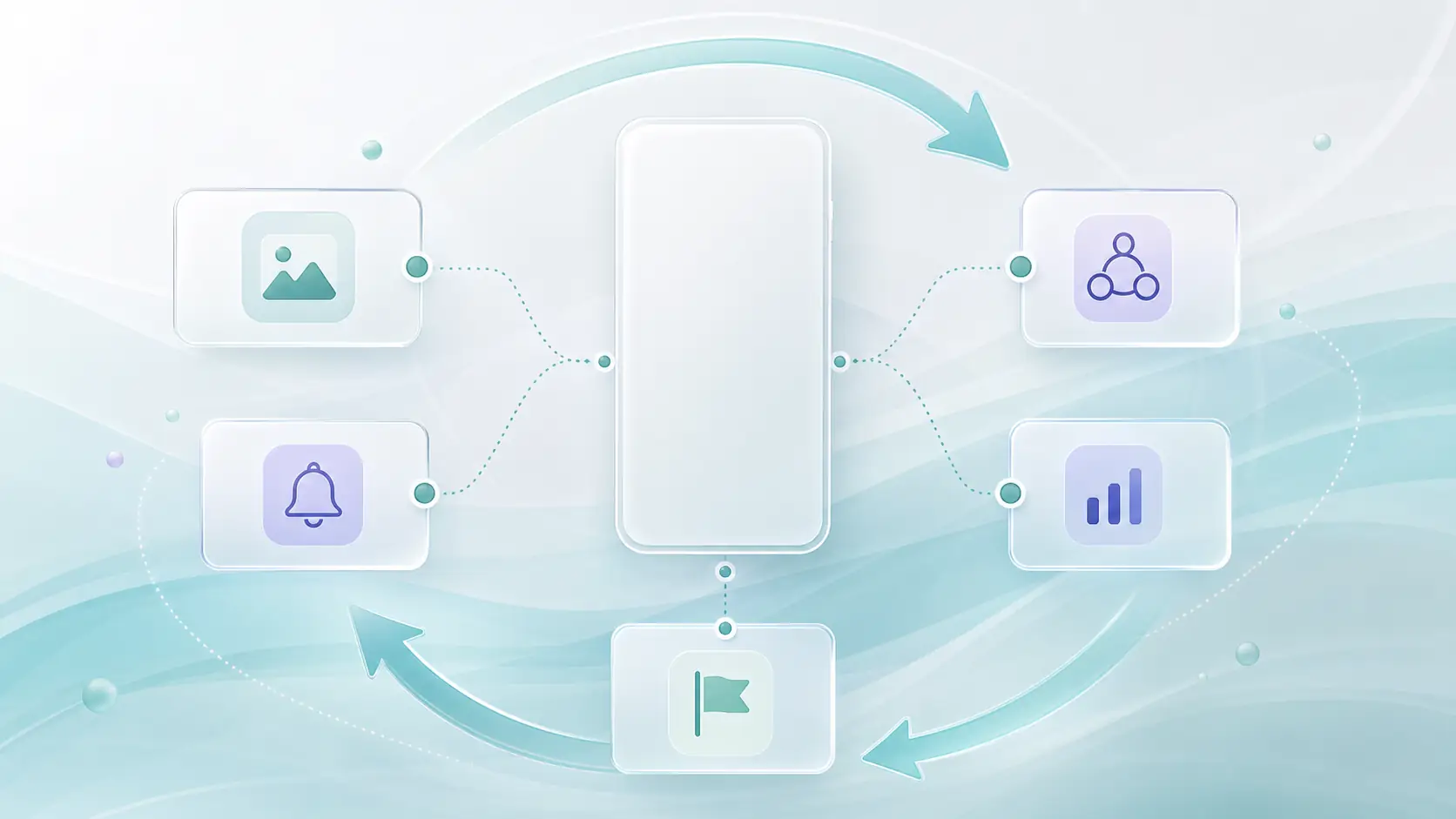
Time spent inside the app is a useful signal. It tends to move with retention and revenue, because longer and more frequent sessions give you more chances to deliver value and present paid options. Still, the goal is not to “stretch” sessions. The goal is to remove dead ends and give users a clear reason to keep going.
Here are four feature directions that often move the needle, along with the trade-offs that come with each one.
Add stories and articles that support the user’s goal
Short story-format screens can highlight key benefits, show quick tips, or guide users to a feature they haven’t tried yet. Longer text content works when it answers real questions: how to get started, how to get a result faster, what to do when something isn’t working.
The key is relevance. If content is loosely related to the app’s main job, users skim once and ignore it later. If it helps them make progress, it becomes part of the product experience and brings people back.
A practical check: each story or article should lead to an action inside the app (start a flow, try a feature, complete a step), not just “consume and exit.”
Treat push notifications as a reminder system
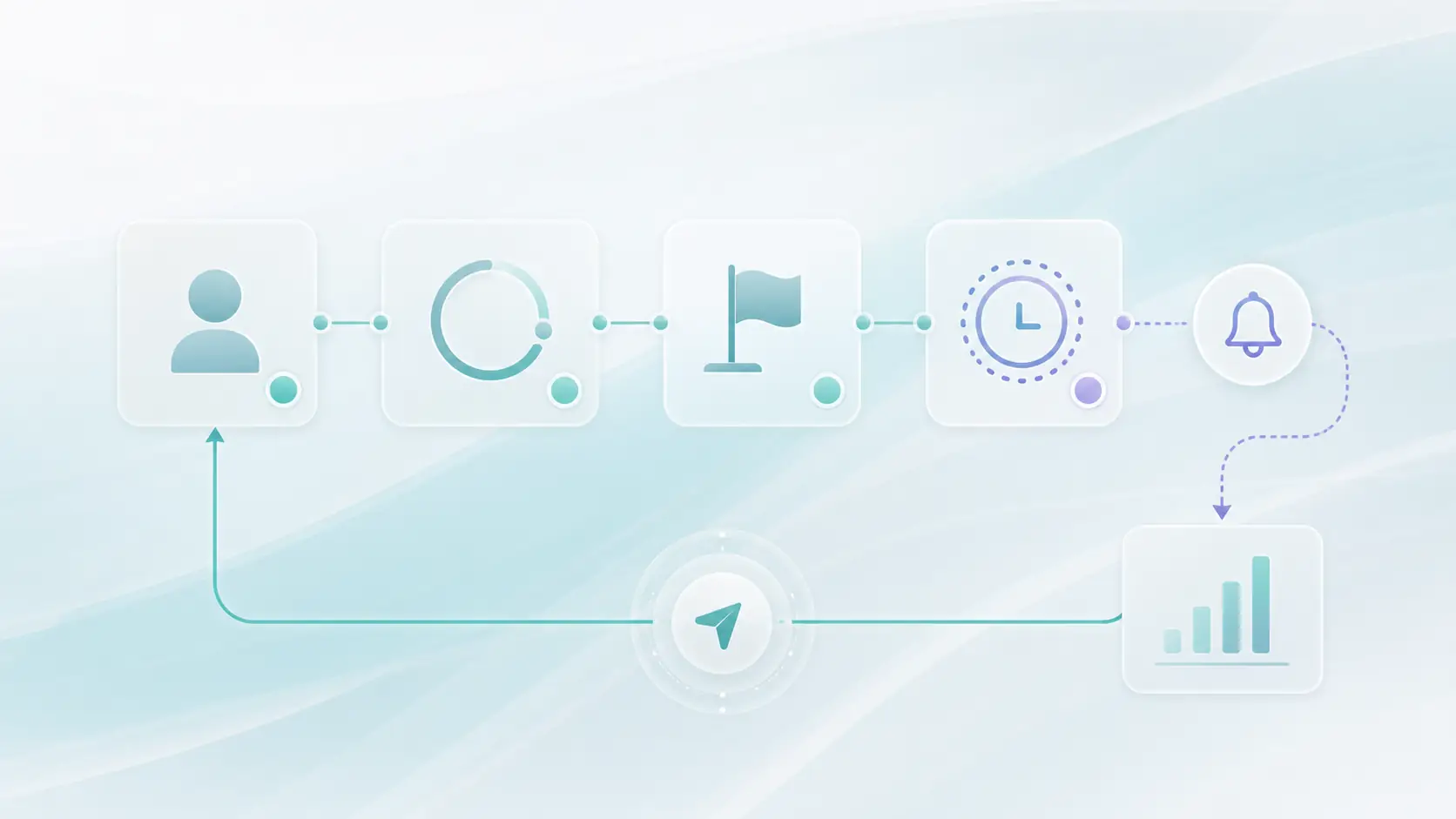
Notifications work when they arrive at the moment a user is likely to act. That can be a reminder to continue a routine, a prompt to finish an unfinished step, or a message tied to a clear benefit.
They fail when they’re generic, too frequent, or off-timing. Users don’t “get used to” noisy pushes — they disable them.
A healthier approach:
Start with a small set of triggers tied to behavior (inactive for X days, dropped mid-flow, reached a milestone).
Segment early. New users and returning users respond to different messages.
Test frequency as aggressively as copy. One extra push per week can matter.
Use gamification, but be careful with rewards
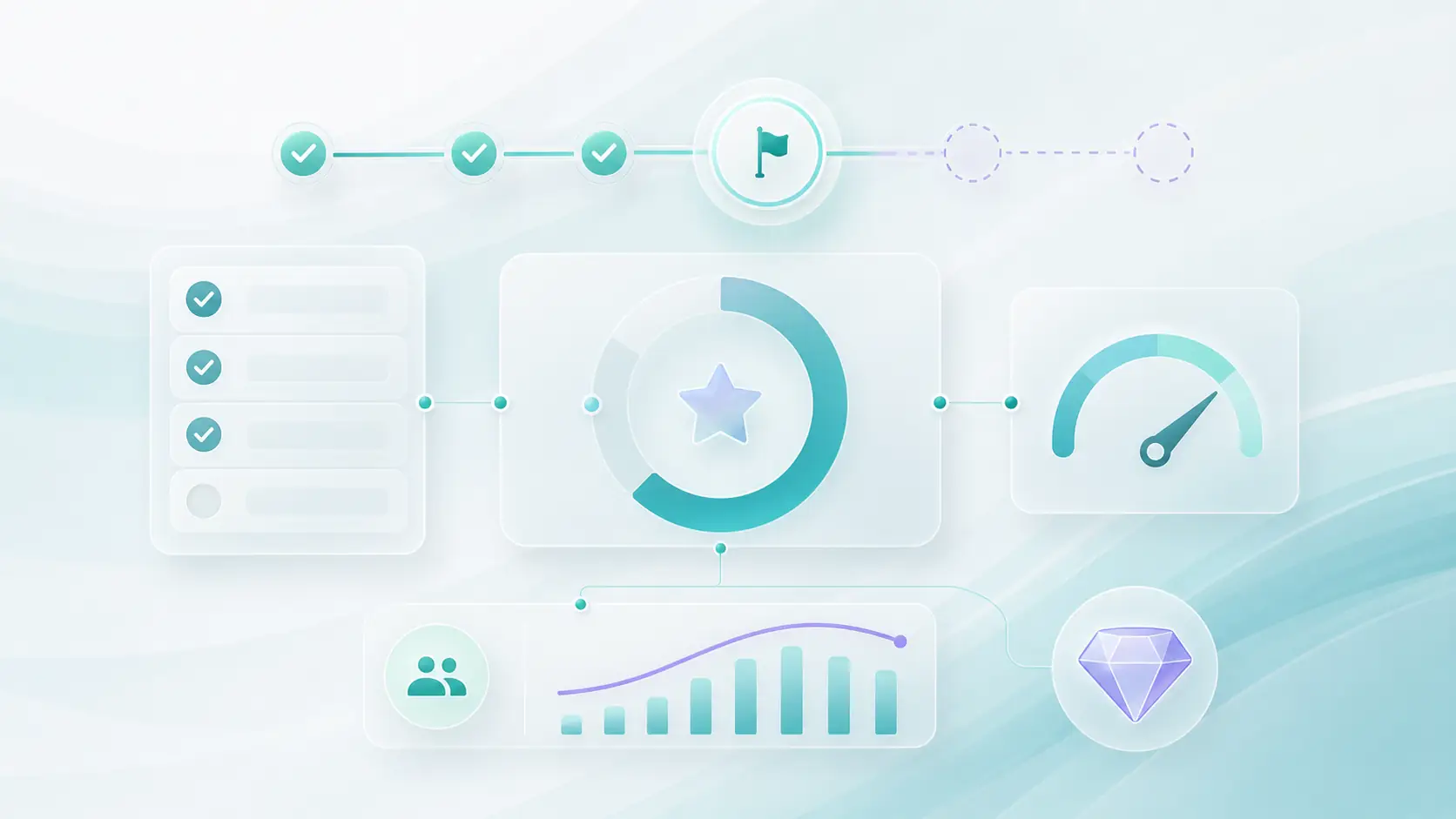
Progress mechanics work because they reduce uncertainty. A user can see where they are, what’s next, and how close they are to a result. Streaks, checklists, and simple milestones can do this without turning the product into a game.
Rewards can add motivation, but they need boundaries. If you give away too much, you train users to wait for freebies. If goals feel out of reach, people drop early.
A practical way to think about it:
Progress indicators are usually “low-cost” and safe.
Rewards are a budget. Set limits, test what users value, and watch how rewards affect paid conversion.
Add social features, if you can support them operationally
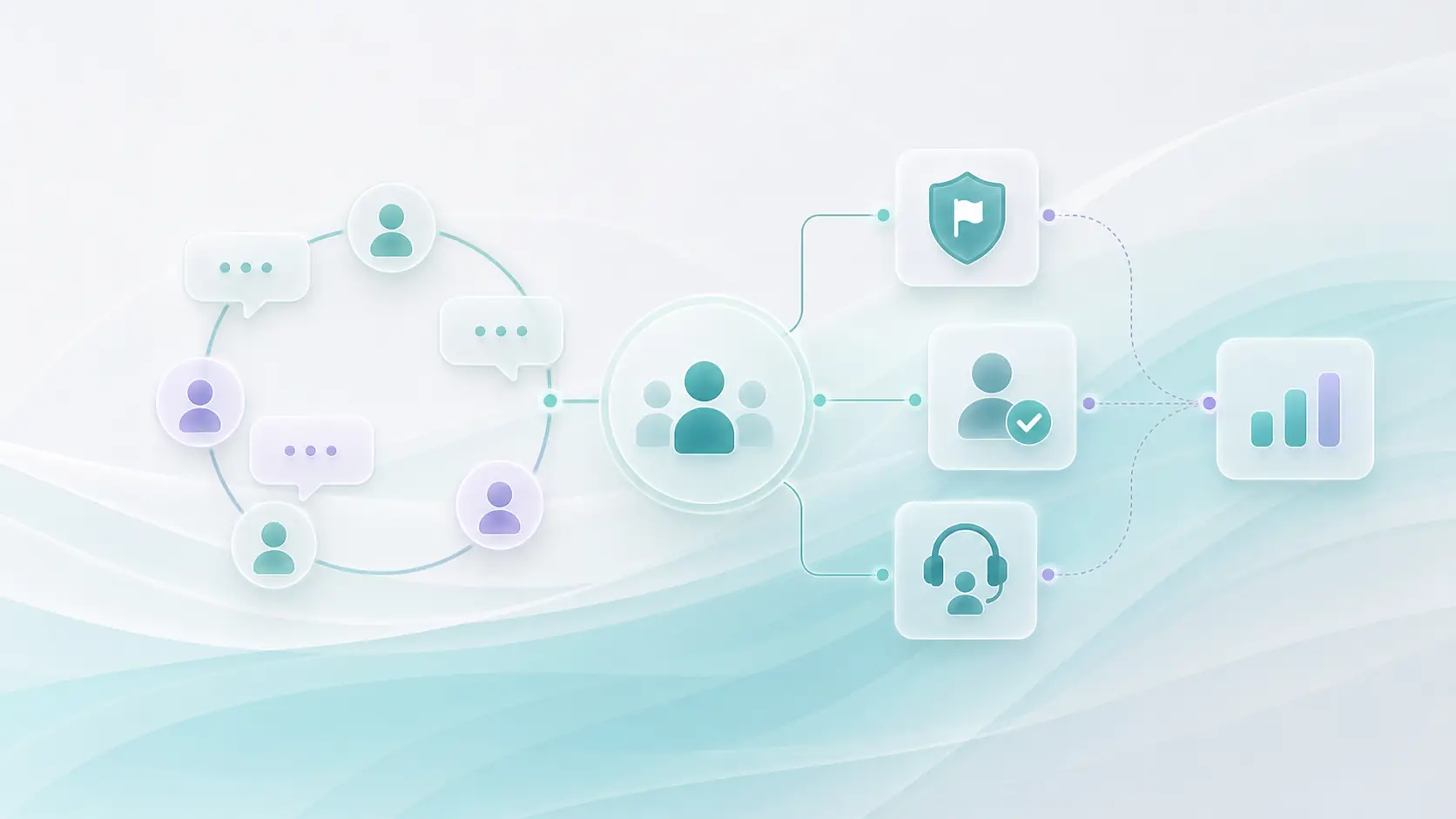
Even a small social layer: comments, a Q&A thread, peer messaging, can increase engagement because users learn from each other and return to follow conversations. It can also become your most honest feedback channel.
But this is not “add a feature and forget it.” Community requires rules, reporting tools, and moderation. Without that, social space gets messy fast, and the product takes the blame.
If you want to try this direction, start small: one discussion surface tied to a specific topic, plus clear guidelines and a plan for moderation coverage before launch.
Conclusion
Time in-app goes up when users keep making progress without friction: they understand what to do next, they see results building, and they have a reason to return. Content, notifications, progress mechanics, and community can all help — but only when they fit the product and the user’s motivation.
If you want to improve engagement without guessing, we can help you choose the right feature bets, define measurable experiments, and build the smallest version worth testing. Share a short overview of your app, your current retention, and your monetization model — and we’ll propose a focused next step.