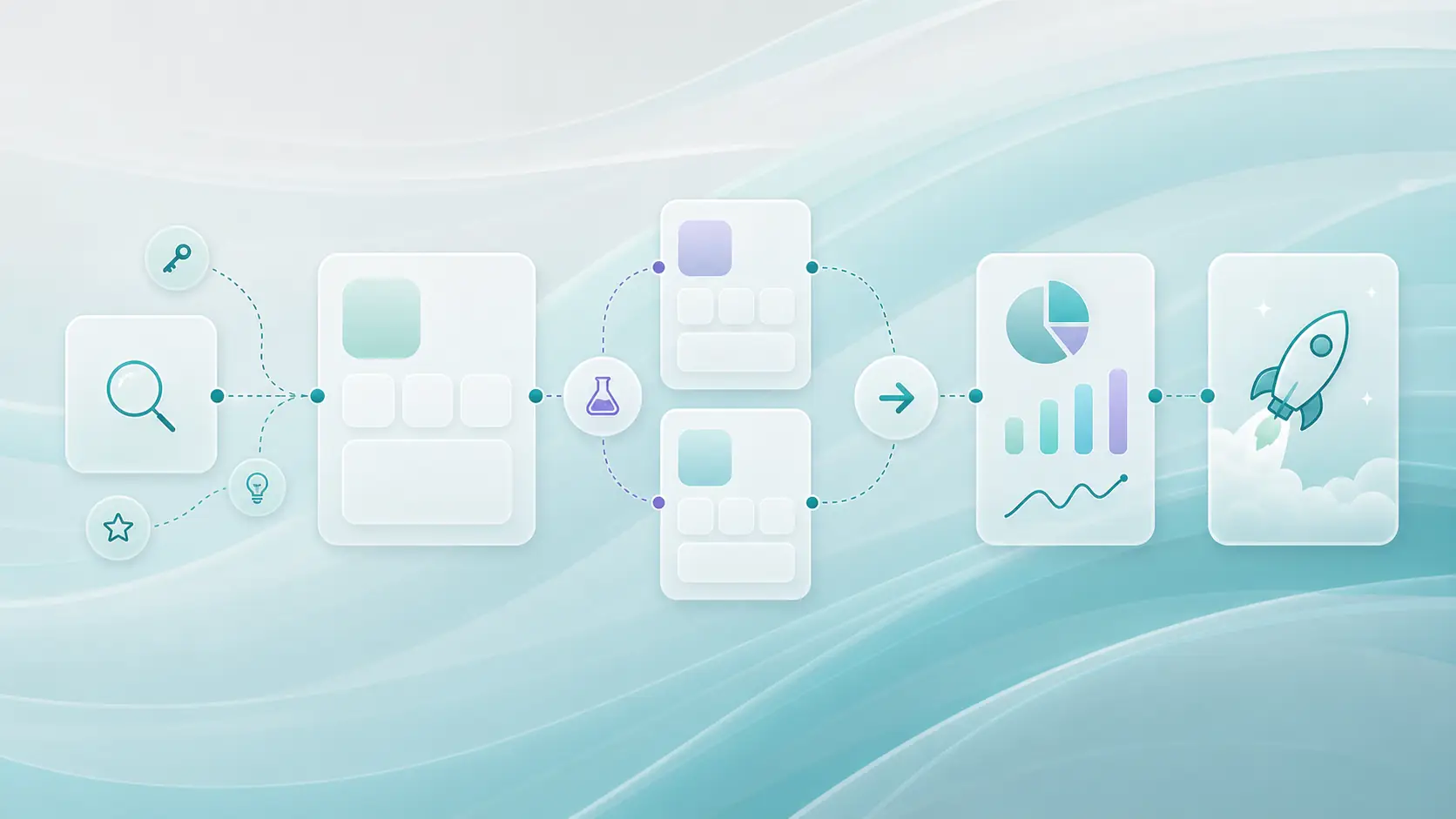
Seeing 5-10 installs per day right after release is common. In the first weeks, your listing has little history, so rankings and browse visibility are limited. That’s why app store optimization should be treated as part of the launch plan, and not like a quick edit to the title and icon.
These App store optimization tips focus on early momentum: rank where you can win, raise conversion before you scale traffic, and build enough signal for the stores to take your listing seriously.
The app launch ASO checklist (first 2–4 weeks)
1. Keyword research for ASO: start with terms you can actually rank for
New apps rarely take top positions on high-volume queries from day one. A better approach is to build traction on long-tail keywords and low competition keywords, then expand once you have installs, ratings, and steady conversion.
A simple workflow:
List the jobs your app helps users complete and the language users use for those jobs.
Turn that list into App Store keywords (iOS) and Google Play search terms (Android).
Prioritize relevance and conversion potential. Volume is secondary at the start.
On iOS, avoid repeating the same words across the app name, subtitle, and the keyword field. Repetition wastes limited space.
2. App Store listing optimization: fix conversion before you chase volume
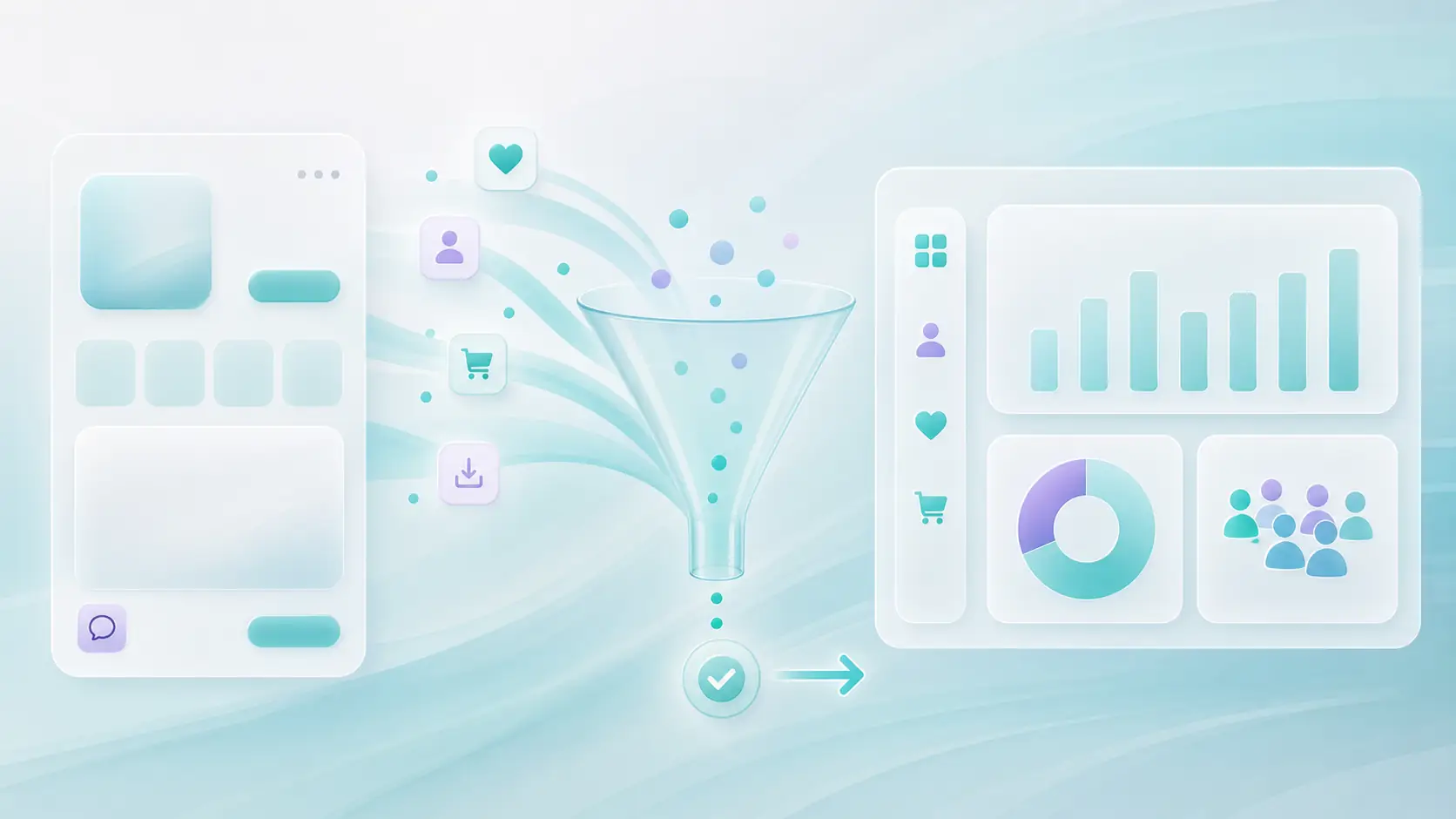
More impressions only help if the page converts. App Store listing optimization starts with the basics: clarity, proof, and a page that matches the query.
Review your app icon and screenshots as a conversion flow:
First screenshot: explains the use case in one glance.
Middle screenshots: show the main features tied to real outcomes.
Last screenshot: addresses a common concern (setup time, privacy, offline mode, etc.).
If you’re shipping to multiple markets, treat app store localization as a product task. Visual conventions and messaging priorities change by locale, and the same creative set rarely performs equally well everywhere.
3. Test creatives instead of debating them
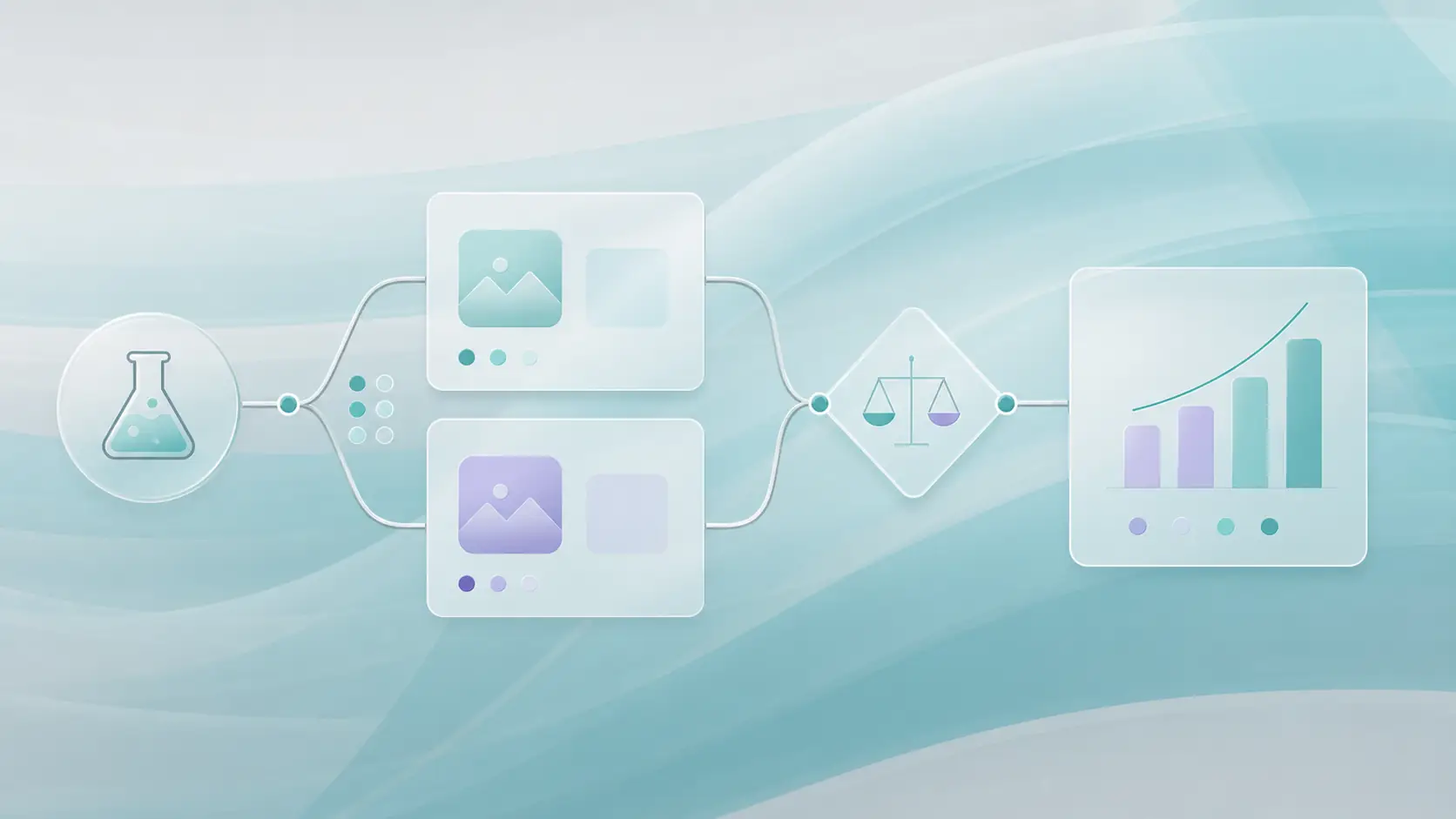
Both major stores support structured testing of store assets:
On iOS, product page optimization lets you test different icons, screenshots, and app previews and compare performance in App Analytics.
On Android, store listing experiments allow A/B testing of graphics and localized text in Google Play Console.
Run tests with a single goal per experiment (for example: improve conversion from store visit to install), then iterate.
4. Google Play ASO: make the description readable and category-clear
Google Play ASO is strongly tied to how Google indexes your metadata. Your Google Play app description should be written for humans first, with clear category language and feature explanations that match user intent. Google also has specific constraints for store listing fields (the short description is limited to 80 characters and the full description to 4,000).
If you want an extra check on category clarity, some teams run their text through the Google Natural Language API content classification. It won’t replicate Google Play ranking, but it can show whether your description strongly signals the topics you expect.
Clear positioning also supports browse discovery. Getting surfaced in the Similar apps section can add exploration traffic alongside search.
5. Paid user acquisition: plan it before launch, not after the drop
For many apps, early paid traffic is the fastest way to generate enough installs and feedback to improve the listing and stabilize rankings. Keep it controlled: define a target CPI range, pick 1–2 channels, and measure quality signals (retention, activation, trial starts) rather than installs alone.
On iOS, Apple Search Ads is a common starting point because it reaches users who are already searching in the App Store. Apple also recommends using placements like Search tab and search results together when it fits your goals and measurement setup.
Conclusion
ASO for app launch is usually won on details: realistic keyword targets, clear creatives, disciplined testing, and measured spend. If you want a lean plan that connects keyword research, creatives, store experiments, and paid user acquisition into one workflow, we can help. Share your category, target countries, and launch date — we’ll outline the next steps and the smallest set of tests worth running first.